From Research to Practice: Training in Sexual and Reproductive Health Research
Abdul Karim Abawi
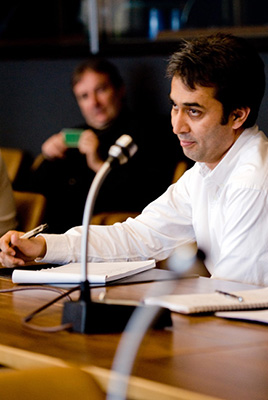
Dr. Abdul Karim Abawi
MD, MSc, MPH
Geneva Foundation for Medical Education and Research
karim.abawi@gfmer.org
Born and raised in Afghanistan, Karim Abawi studied medicine in Kabul Afghanistan and graduated with honours in 1992. From 1992 to 2000, when Afghanistan was the theatre of wars and conflicts, Dr. Karim Abawi worked for many National and international NGOs and was in-charge of planning and implementing various health and social projects. He is considered as the pioneer of reproductive health services in Afghanistan, as during the war, when health system was almost collapsed, he maintained maternal and child health services in many rural and urban areas.
In 2000, he came to Switzerland and worked as the project collaborator for a Swiss organisation (La société pour les peuples menacés), an organisation for the defence of indigenous peoples’ rights.
From 2007 to 2009, he has worked as adviser at the Department of Reproductive Health and Research of the World Health Organisation in Geneva.
In addition to his MD degree, Karim Abawi, has successfully obtained a Master’s of Science Degree from the Graduate Institute of Development Studies in Geneva and a Masters of Advance Studies in Public Health degree from the University of Geneva.
Currently Dr. Karim Abawi is the following responsabilities within the Geneva foundation for Medical Education and Research:
Coordinator of the post-graduate course on research methodology in sexual and reproductive health “From Research to Practice; Training in Sexual and Reproductive Health Research”, which is provided yearly by the Geneva Foundation for Medical Education and Research (GFMER), WHO and other training and research institutions, where participate health professionals from all-over the world.
Coordinator for the Sexual and Reproductive Rights project that aims to contribute to a meaningful inclusion of human rights in sexual and reproductive health issues with active collaboration of health and rights professionals from different countries. Moreover Dr. Abawi is the coordinator for a training module on sexual and reproductive rights which is offered to health professionals who attend the GFMER course on sexual and reproductive health research.
Moreover he is actively involved in overall activities of the foundation, including the collaborative activities with the Foundation partners.
Publications
- Afghanistan, l’analyse de la situation, Switzerland, in collaboration with Alessandro Monsutti, Switzerland 2002
- Afghanistan zwischen Zerstörung und Aufbruch for Vielfalt, the monthly revue of Société pour des peuples menacés, an organization for the defence of human rights Bern, Switzerland, 2002
- Mise en place d’un centre de transfusion sanguine à Kaboul (Afghanistan), for Cahiers Santé, France. In collaboration with Bernadette Dupire 1999
- Guide for Maternal and Child Health (in Dari), 1995
- Immunization Survey in Afghanistan (in Dari), 1995
Online documents
- Data collection instruments (questionnaire and interview) - Karim Abawi
- From Research to Practice: Training Course in Sexual and Reproductive Health Research 2013
- GFMER Sexual and Reproductive Rights Country Information - Ethiopia - Karim Abawi, Marloes Schoonheim, Yoseph W/Gebriel Gessesse
- GFMER Sexual and Reproductive Rights Country Information - Kenya - Karim Abawi, Marloes Schoonheim, Anne Khisa
- GFMER Sexual and Reproductive Rights - Family Planning - Karim Abawi
- Geneva Workshop Evaluation Report 2012 - Karim Abawi, Brenda Narice, Marloes Schoonheim, Darja Hrvatin, Raqibat Idris, Fionna Poon
- Geneva Workshop Evaluation Report 2013
- GFMER/WHO Training course in Sexual and Reproductive Health Research - Karim Abawi
- Harvard, Oxford and GFMER Collaboration - Karim Abawi, January 2014
- Measuring maternal mortality - Karim Abawi
- Reproductive health research methodology training at the Ministry of Public Health, Kabul, Afghanistan 2008
- The sexual and reproductive health and human rights of people living with HIV - Karim Abawi