The picture of the week
Balai Adat Sehat: A Community Empowerment Model Rooted in Local Wisdom to Accelerate Progress towards the SDGs, Sambas, Indonesia
Agus Fitriangga - GFMER Coordinator for Indonesia
2026-11-11
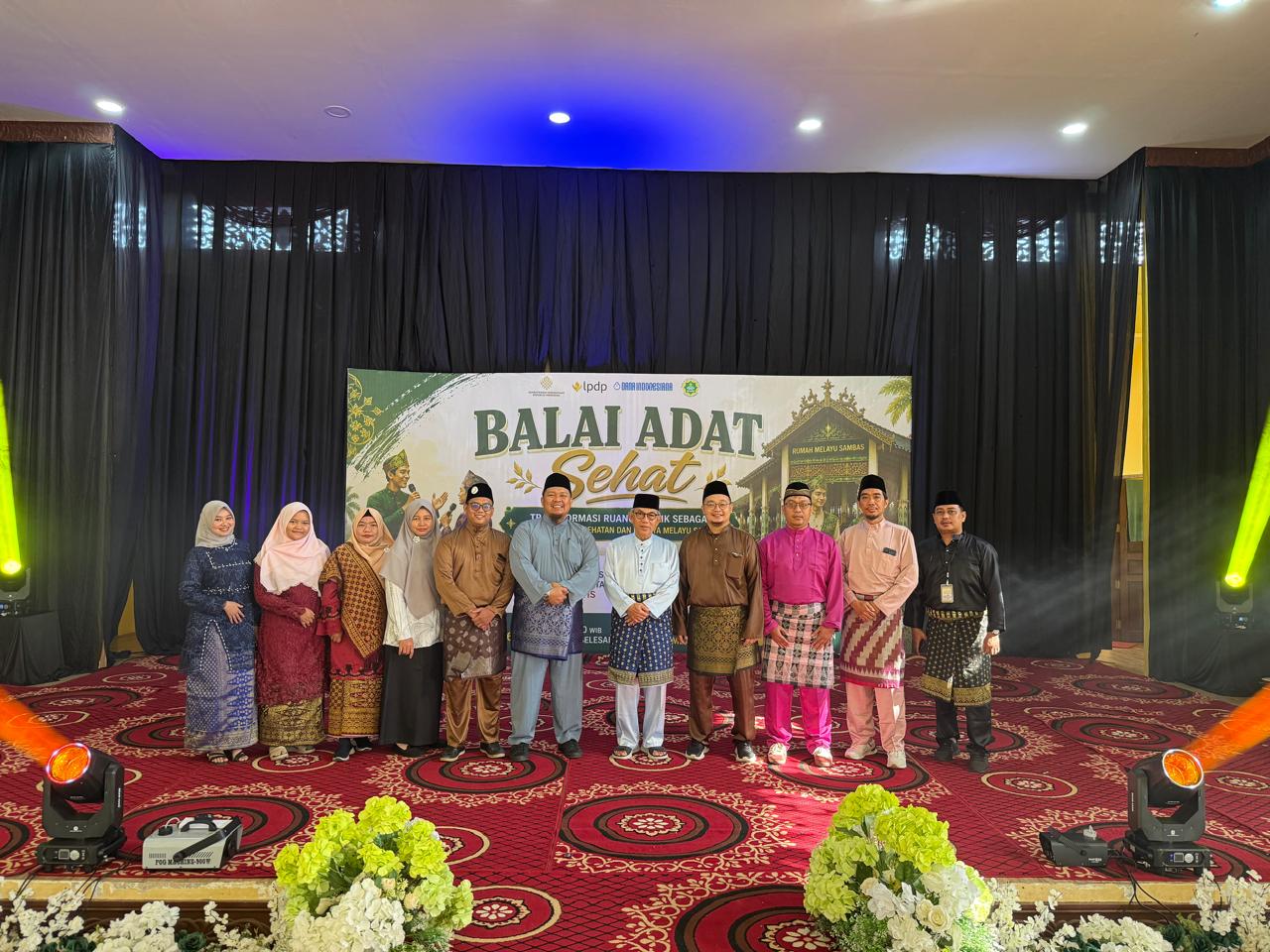
I am Agus Fitriangga the GFMER Country coordinator for Indonesia.
I am from the Faculty of Medicine at Universitas Tanjungpura, a participant in the SDG Certified Leadership Program 2026.
My individual capstone project is “Balai Adat Sehat: A Community Empowerment Model Rooted in Local Wisdom to Accelerate Progress towards the SDGs.”
This project addresses the need to bring health information and services closer to communities through culturally appropriate approaches. Traditional leaders and cultural spaces have considerable potential to strengthen community participation in health.
Through Balai Adat Sehat, I aim to develop traditional community halls into spaces for health education, dialogue, and connecting communities with primary healthcare services.
The approach relies on collaboration among communities, traditional leaders, community health volunteers, healthcare professionals, and universities. Health messages are shared through familiar language and cultural expressions that resonate with people’s daily lives.
Initial activities in Sambas included seminars and dialogue, health education, cultural performances, and the Balai Adat Sehat declaration. My contribution to this capstone focuses on developing the community empowerment framework and mapping stakeholders to guide further action.
Early achievements include the declaration and a shared commitment to connecting culture and health. Effects on knowledge, behaviour, and access to services still require ongoing assessment.
This project supports SDG 3: Good Health and Well-being; SDG 10: Reduced Inequalities; and SDG 17: Partnerships for the Goals.
My main lesson is that empowerment must be developed together with communities, respecting their knowledge and cultural identity.
The next steps are to strengthen local community health volunteers, jointly develop educational materials, establish regular activities with community health centres, and monitor results.